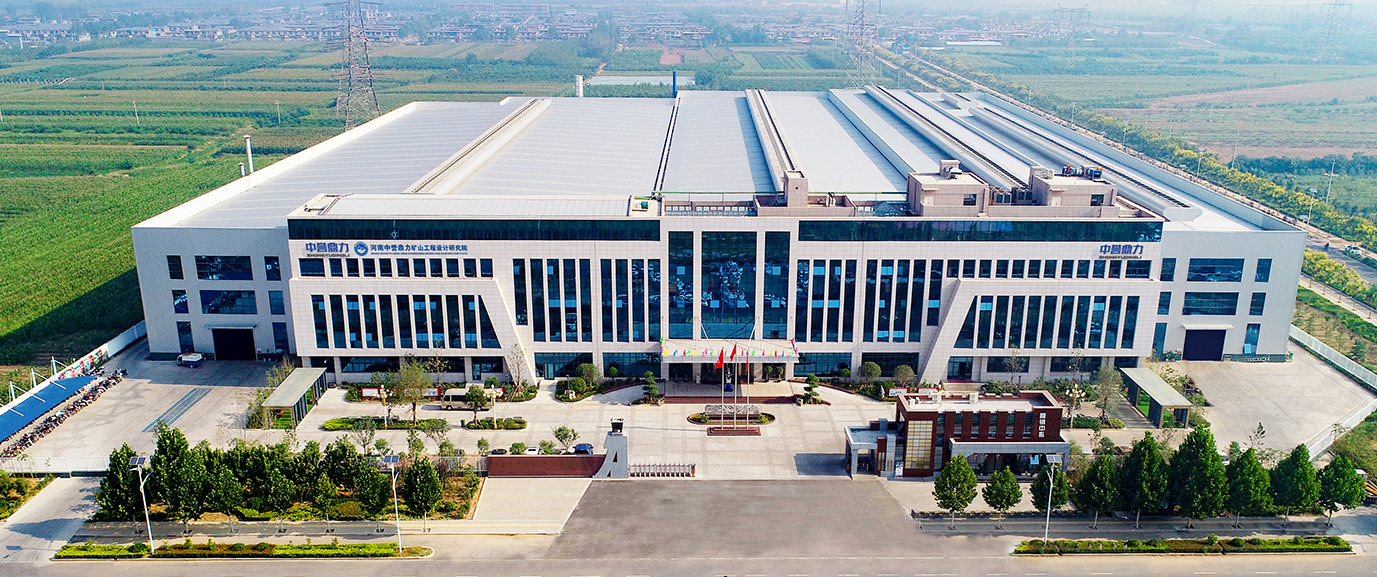

• At equipment transfer points, select appropriate feed chutes with optimized angles to reduce drop heights and impact forces on machinery.
• Enclose belt conveyors to prevent dust leakage and adjust conveyor speeds to reduce dust emissions. Install exhaust and dust collection systems at each feed point.
• Mist humidification of oversize aggregates on vibrating screens can reduce secondary dust pollution, ensuring organized dust emissions meet the 20mg/m³ standard.
1.2 Unorganized Fugitive Dust
Unorganized fugitive dust mainly occurs during mining, stockpiling, and finished product shipping. Due to the large open areas involved, exhaust dust collection is often impractical, so other dust prevention measures must be adopted:
• For mining operations: Use proven blasting techniques to reduce the generation of fine dust and lower dust plumes. Install spray systems to humidify blasting areas and conduct greening of mined-out areas to achieve true "green mining."
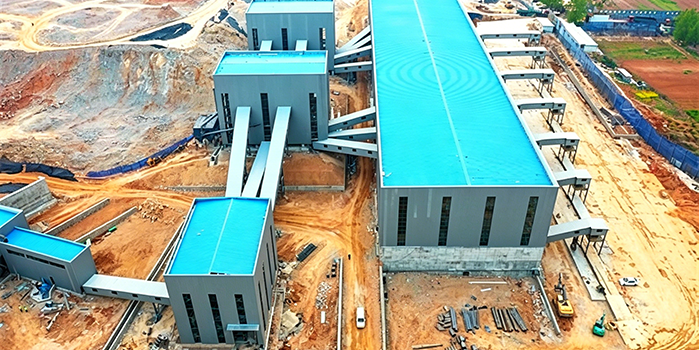
• For stockpiling: Use enclosed storage methods and install overhead mist humidification systems to suppress dust.
• For finished product shipping: Wet process sand and gravel by washing to remove surface stone powder and sludge, eliminating dust pollution during transportation and improving product quality.
• Site-wide management: Set up dedicated vehicle washing areas, cover trucks with tarpaulins during transport, harden site roads, and conduct regular water spraying based on weather conditions. Collect all process dust and store/reuse it centrally via conveyors to prevent secondary pollution.
2. Noise Management
The main sources of noise in quarry plants are crushing, screening, and classification workshops, as well as dust collection fans. Noise pollution control should focus on both source reduction and transmission control:
• Source reduction: Replace outdated equipment with low-noise alternatives (e.g., replace metal screens with polyurethane screens). Install silencers and acoustic enclosures on fans, or reduce fan vibration to lower noise at the source.
• Transmission control: Enclose workshops to isolate noise. Conduct extensive greening on-site to block noise propagation. Require workers entering workshops to wear earplugs or earmuffs to protect their hearing.
3. Wastewater Treatment
There are two main types of crushed sand production lines: dry and wet. While dry production generates no wastewater, it struggles to control dust pollution and cannot remove stone powder and sludge attached to finished sand, affecting product quality. Wet production addresses these issues but generates wastewater.
Traditional wastewater treatment for sand and gravel relies on natural sedimentation or flocculation, which is slow and weather-dependent. Without proper management, overflowing wastewater can pollute surrounding water bodies. Modern, highly automated solutions include:
1. Use cyclone separators and dewatering machines to remove solids from wastewater, recovering large amounts of gravel for reuse.
2. Concentrate the wastewater into a thickener, then further thicken the slurry.
3. Use radial flow thickeners, belt filter presses, and ceramic filters for mechanical dewatering to separate sludge. This method is fast, highly automated, land-efficient, reduces operational costs, and minimizes sludge generation. All collected dust is centrally treated to avoid secondary pollution from natural drying. The treated wastewater is recycled to achieve "zero discharge" in production processes.
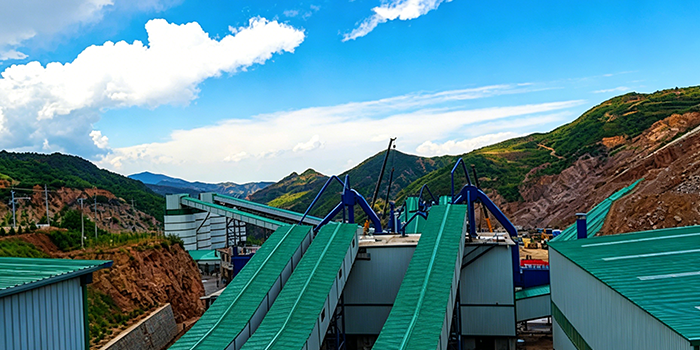
Compared with traditional methods, this wastewater treatment process improves automation levels, shortens dewatering time, and enables continuous wastewater treatment.
Effective management of wastewater, dust, and noise can help achieve green production goals. However, the fundamental solution is to adopt eco-friendly equipment, which not only addresses current pollution issues but also helps you easily pass environmental inspections without disrupting production.