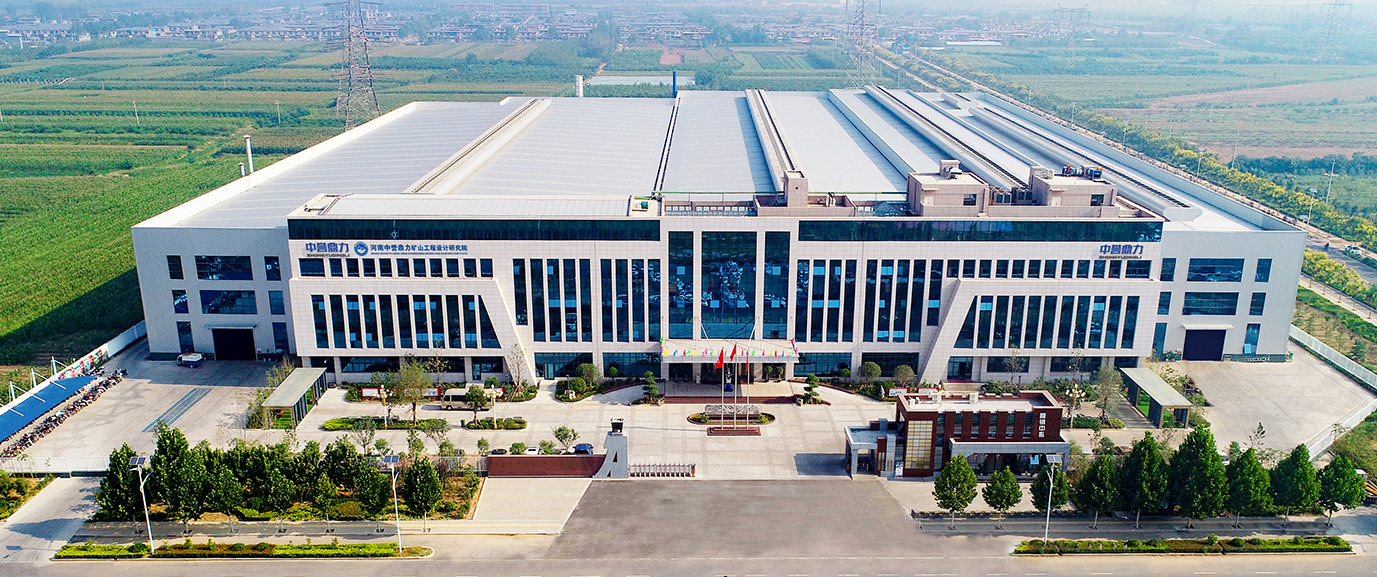
The industry is phasing out enterprises that fail to meet environmental protection, quality, and safety standards, while creating a batch of green mines. This article analyzes the current problems faced in green mine construction and outlines the specifications for green mine development in the sand and aggregate industry.
With the increasing intensity of environmental supervision and the introduction of the "Green Mine Construction" policy, the industry is consolidating and shutting down small, scattered, and chaotic mines, eliminating enterprises with substandard environmental protection, quality, and safety conditions, and creating a number of green mines. This article focuses on analyzing the current problems in green mine construction and the relevant specifications for the sand and aggregate industry.

Key Issues in Green Mine Construction in the Sand & Aggregate Industry:
The sand and aggregate industry faces five major environmental challenges in green mine construction, which are also the "major obstacles" to development:
1. Land Resource Destruction
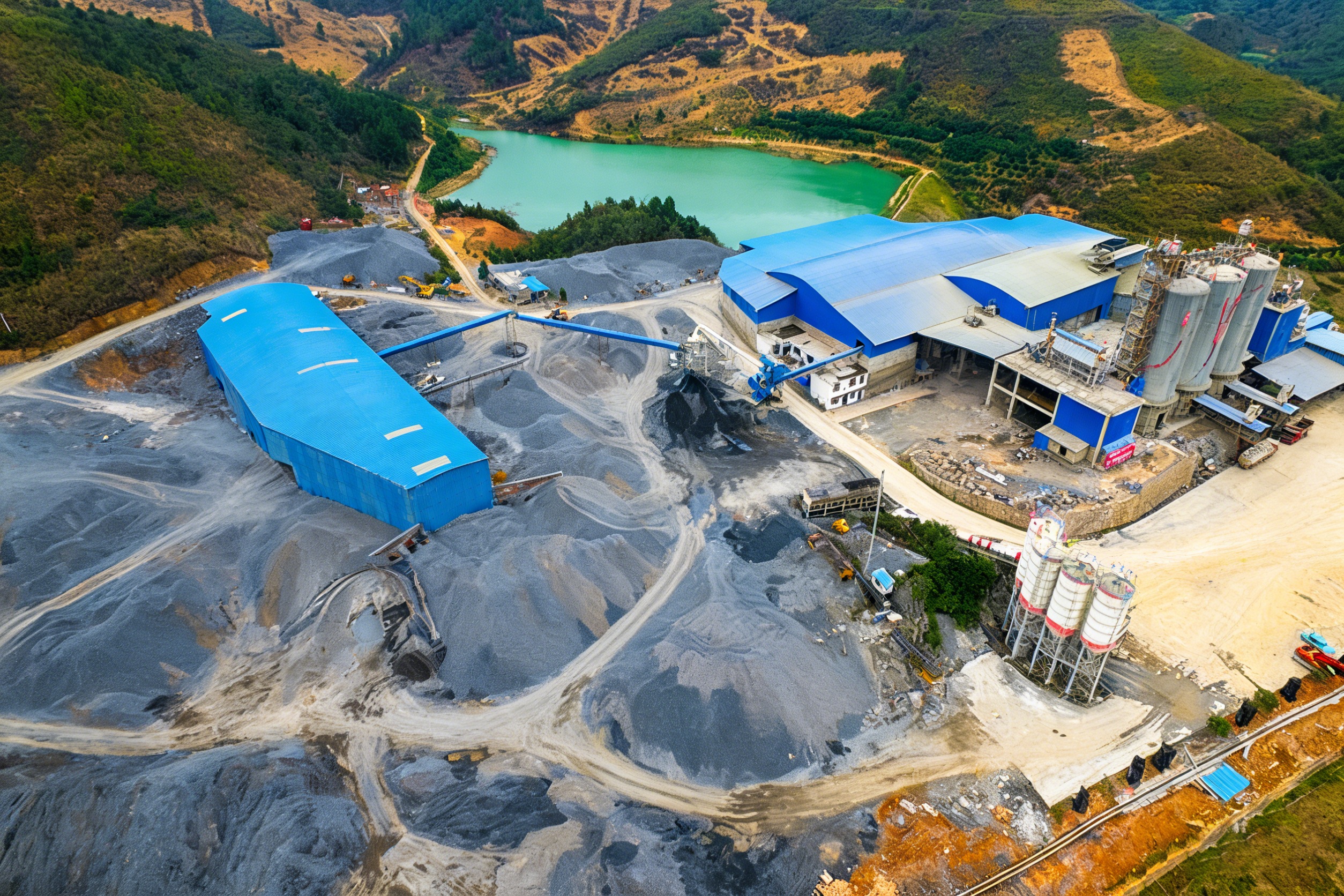
Open-pit mining causes land resource damage, mainly through the construction of industrial squares, waste rock piles, road construction for mining, ground subsidence, and mine closures. Mines have occupied a total of 5.86 million hectares of land, destroyed 1.06 million hectares of forests, and 263,000 hectares of grasslands.
2. Geological Hazards
Excavation of ground and slopes affects the stability of mountains and slopes, leading to rock (soil) mass deformation and triggering geological hazards such as collapses and landslides. Waste rock (slag) discharged from mines is often piled up on hillsides or gullies, which can easily trigger mudslides during heavy rainstorms.
3. Solid Waste Pollution
A large amount of solid waste is generated during ore processing, including tailings, waste rock, coal gangue, and fly ash. Many mines arbitrarily dump solid waste, leading to river and ditch blockages, poor drainage, and persistent hazards.
The total stockpile of tailings and waste rock is about 60 billion tons, including 14.6 billion tons of tailings and 43.8 billion tons of waste rock. In recent years, tailings discharge has exceeded 1.5 billion tons per year, with non-metallic mines producing 30 million tons of tailings annually.
4. Water Environmental System Damage
Waste rock and tailings from open-pit mines are exposed to the atmosphere, and sulfides within them oxidize to form acid rain. Additionally, the discharge of unprocessed beneficiation wastewater often pollutes surface water near mining areas, causing severe difficulties for farmland irrigation and livestock drinking water (ecological water use).
Furthermore, underground mining changes the natural flow, recharge, and drainage conditions of groundwater, disrupting the balanced transformation of atmospheric precipitation, surface water, and groundwater.
5. Air and Noise Pollution
○ Air Pollution:
A large amount of dust is generated during drilling, blasting, rock crushing, loading, and transportation in mines. Crushing, screening, and material transfer processes further increase dust concentrations.
○ Noise Pollution:
The main noise sources in mines come from mining equipment, with an average noise level of up to 100dB; blasting produces instantaneous high-intensity noise.
In processing areas, noise primarily originates from crushers, screens, belt conveyors, and other operating equipment.
Specifications for Green Mine Construction in the Sand & Aggregate Industry:
1. Land Resource Protection and Geological Hazard Prevention
○ Mining operations must strictly follow design plans for top-down, step-by-step open-pit mining. Timely clean up dangerous rocks and floating stones on slopes and correct overly steep slopes to prevent collapses and landslides.
○ Apply real-time monitoring technology during mining to establish a dynamic monitoring system.
○ During the stacking of temporary waste dumps, conduct timely slope cutting and foot treatment to prevent geological hazards.
2. Solid Waste Utilization
○ Open-pit mining inevitably causes ore loss, defined as residual ore left in the stope that is not recovered during mining, transportation, or waste disposal. Follow the principles of continuously improving recovery rates and comprehensively reducing ore loss by adopting block mining technology.
○ Divide the mining panel into several sections according to equipment workspace requirements. Equipment operates in layers within each section, and mining proceeds sequentially.
○ Collect stone powder from ore processing, classify and stockpile it for sales and comprehensive utilization. For example, stone powder can be used as desulfurization absorbents or raw materials for cement plants.
3. Wastewater Treatment
○ To address wastewater generated during mineral processing and washing, adopt graded treatment and build dedicated wastewater treatment systems.
4. Dust Control
○ Dust control can be approached from two aspects: overall dust pollution prevention in the quarry and source-specific dust prevention.
○ Overall Dust Prevention in the Quarry: Optimize the layout of access roads and well locations, improve mining procedures, and design the overall layout to reduce dust pollution. Adopt energy-saving and environmentally friendly blasting technology, optimize blasting parameters, and reduce over-breathing of dust.
○ Source-Specific Dust Prevention: Match corresponding dust removal systems based on the characteristics of dust emissions from different sources to control dust.
5. Noise Control
○ Apply vibration and noise reduction technology during equipment foundation installation, and strengthen equipment maintenance.
○ Use multi-hole delay blasting and multi-stage blasting to reduce the charge per section and minimize the impact of blasting noise on sensitive points.
○ Adopt closed workshop technology to concentrate high-noise equipment in enclosed factories, and set up sound insulation rooms for driver operation rooms.
6. Environmental Protection Measures During Construction
a. Reasonably arrange construction plans and optimize construction schemes. Avoid construction on rainy and windy days to reduce soil and water loss; cover building materials that are prone to dust.
b. Centralize the treatment of construction wastewater and domestic garbage, and prohibit random dumping and littering. After construction, timely clean up the site and restore vegetation.
c. Reasonably carry out construction layout and carefully organize construction management to minimize and control the scope and degree of impact on the ecological environment of the construction area.
d. Formulate strict construction operation specifications, establish an ecological supervision system during the construction period, and prohibit construction vehicles from arbitrarily driving on construction access roads.
The extensive and environmentally harmful mining methods of the past are fading away. To achieve sustainable development in the mining industry, it is imperative to adopt intensive, refined, and environmentally friendly development models.